Poezia Home

Category

Literary Voices

23 articles

One Poem, Many Voices: The Translator as Invisible Co-Author

One Poem, Many Voices: The Translator as Invisible Co-Author

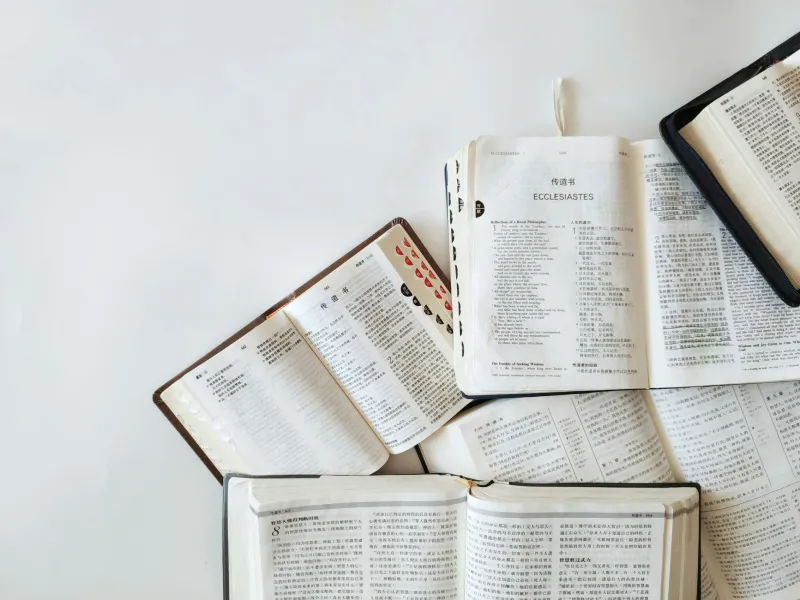
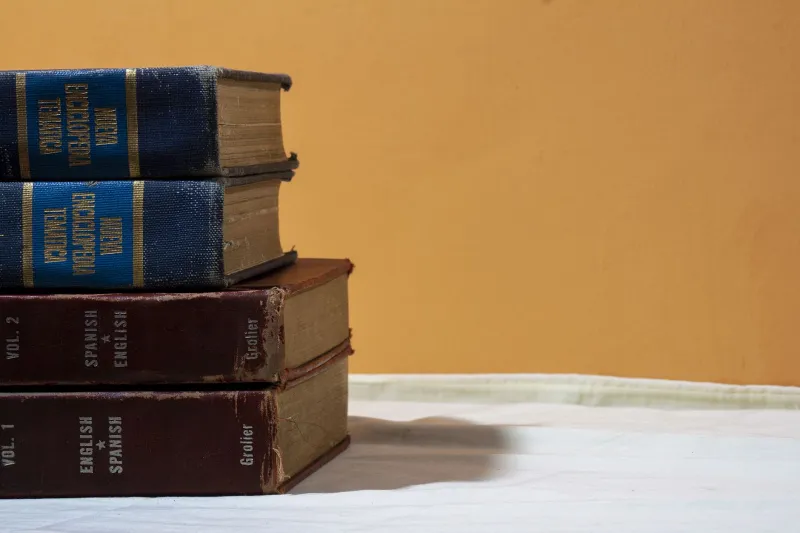
When a poem crosses from one language into another, something remarkable happens: it does not merely travel — it transforms. Through conversations with translators working across Spanish, Mandarin, and Arabic, Poezia examines how every word choice in translation is, at its core, a creative declaration.
Where the Line Ends, the Feeling Begins: Mastering the Art of the Poetic Break

Where the Line Ends, the Feeling Begins: Mastering the Art of the Poetic Break

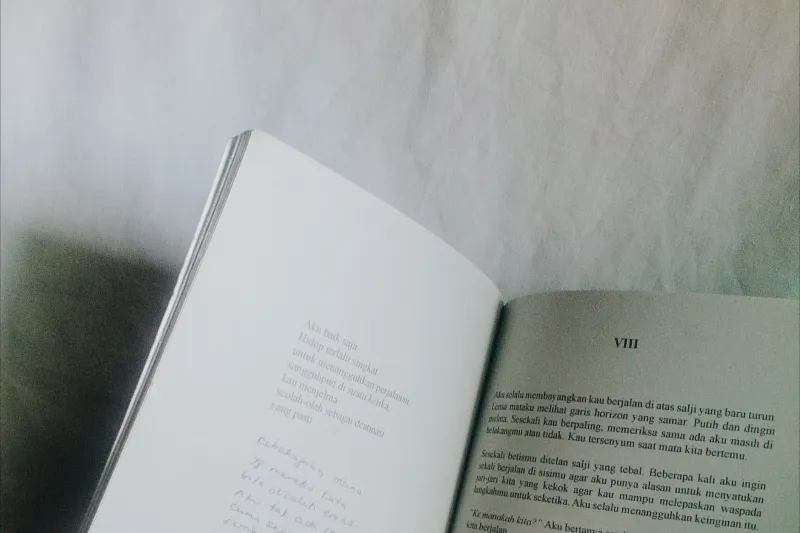
The line break is among poetry's most powerful and least discussed instruments — a silent conductor shaping breath, suspense, and emotional weight with each deliberate pause. Across languages and traditions, poets have wielded white space as a tool of profound control, bending time itself on the page. This exploration uncovers how contemporary multilingual poets manipulate pacing to move readers in ways that punctuation alone never could.

Fluent in Feeling: When the Language You Barely Speak Becomes the One That Speaks for You

Fluent in Feeling: When the Language You Barely Speak Becomes the One That Speaks for You

For a growing number of poets, the most honest line they have ever written arrived not in their mother tongue, nor in the language they studied for years, but in one absorbed through proximity, memory, and chance. Poezia examines the paradox at the heart of multilingual creative practice: that linguistic mastery and poetic authenticity are not always the same destination. What happens when inspiration insists on speaking in a tongue you have no certificate to claim?

Unpolished and Unashamed: How American Poets Are Reclaiming the Power of Their Native Tongue

Unpolished and Unashamed: How American Poets Are Reclaiming the Power of Their Native Tongue

Across Appalachia, the Deep South, the urban Midwest, and beyond, a growing cohort of American poets is refusing to sand down the edges of their vernacular for the sake of mainstream literary acceptance. By writing in the idioms, cadences, and accents of their home communities, these poets are not simply making a stylistic choice—they are staging a quiet but consequential act of cultural resistance. Poezia examines what happens when the pressure to 'polish' a poem gives way to the power of speak

When Amor Meets Love: How Bilingual Poets Speak the Language of Desire

When Amor Meets Love: How Bilingual Poets Speak the Language of Desire

For poets who live between two languages, romantic expression is never simple—it is a negotiation between worlds. Across kitchen tables and candlelit notebooks, multilingual writers are discovering that love, perhaps more than any other subject, resists translation. What emerges from that resistance is some of the most urgent poetry being written in America today.

Voices You Already Know: How Poetry Awakens the Languages Hidden Inside You

Voices You Already Know: How Poetry Awakens the Languages Hidden Inside You

For many readers, the encounter with a single poem in an unfamiliar tongue can feel less like learning and more like remembering. Across the United States, poets and devoted readers are discovering that poetic immersion unlocks linguistic knowledge they never formally acquired—heritage languages absorbed in childhood, emotional registers absorbed from beloved verses, entire worlds of expression waiting just beneath the surface of consciousness.

Chains That Sing: Why Activist Poets Are Turning to Rigid Form as Their Sharpest Weapon

Chains That Sing: Why Activist Poets Are Turning to Rigid Form as Their Sharpest Weapon

Across the American poetry landscape, a counterintuitive revolution is taking shape: poets confronting the most urgent political crises of our time are reaching not for free verse, but for the villanelle, the sestina, and the terza rima. The argument is elegant and paradoxical — that the tightest constraints can produce the loudest cries. Poezia examines why formal structure has become the unexpected grammar of contemporary resistance.

The Eloquence of Empty Space: How Silence Becomes a Poetic Language of Its Own

The Eloquence of Empty Space: How Silence Becomes a Poetic Language of Its Own

Across languages and literary traditions, the most powerful lines in a poem are sometimes the ones never written. Multilingual poets are increasingly turning to silence, whitespace, and strategic omission as tools that transcend linguistic boundaries—communicating what words, in any language, cannot fully hold.

Named and Nameless: How the Geography of Homeland Becomes the Language of Longing

Named and Nameless: How the Geography of Homeland Becomes the Language of Longing

For poets writing across languages and continents, a place name is never merely a coordinate on a map—it is a vessel carrying memory, myth, and the ache of irreversible distance. This exploration traces how diaspora and immigrant poets in America transform untranslatable geographies into some of the most emotionally precise verses of our time.

Two Languages, One Truth: The Art of Code-Switching in Contemporary Bilingual Poetry

Two Languages, One Truth: The Art of Code-Switching in Contemporary Bilingual Poetry

For bilingual poets, the decision to leap between languages mid-line is rarely accidental — it is a precise artistic instrument for capturing emotional states that resist confinement to a single tongue. This exploration examines how contemporary writers are using linguistic code-switching as a deliberate poetic strategy, and what that practice reveals about the inner lives of those who inhabit more than one language.

Wired for Wonder: How Synesthetic Poets Writing in Multiple Languages Unlock Extraordinary Sensory Worlds

Wired for Wonder: How Synesthetic Poets Writing in Multiple Languages Unlock Extraordinary Sensory Worlds

For a small but remarkable cohort of poets, the act of writing in two or more languages is not merely a creative choice — it is a neurological event. New research and testimony from working multilingual poets suggest that synesthesia, the phenomenon in which one sense involuntarily triggers another, may be amplified in bilingual brains, opening perceptual corridors that fundamentally alter how verse is conceived, composed, and ultimately felt.

When Sound Becomes Color: Multilingual Poets and the Art of Sensory Alchemy

When Sound Becomes Color: Multilingual Poets and the Art of Sensory Alchemy

For a small but remarkable cohort of contemporary poets, language is never merely heard — it is seen, tasted, and felt as texture against the skin. Across multiple working languages, these writers harness synesthetic perception to craft imagery that transcends ordinary sensory experience, discovering that the same concept rendered in Portuguese versus Mandarin can ignite entirely different constellations of color and emotion.

Grammar as Rebellion: The Multilingual Poets Who Turn Linguistic Rules Inside Out

Grammar as Rebellion: The Multilingual Poets Who Turn Linguistic Rules Inside Out

A growing movement of bilingual and multilingual poets is transforming so-called grammatical errors into precision instruments of meaning. By weaving two or more languages within a single line, these writers craft resonances that monolingual readers can only partially hear — and that is precisely the point.

Rooted in Place: How American Regional Poets Are Making Dialect the Point

Rooted in Place: How American Regional Poets Are Making Dialect the Point

From the hollers of Appalachia to the bayous of Louisiana, a growing movement of American poets is refusing to sand down the edges of vernacular speech. These writers are not making concessions to standardized literary English — they are insisting that the way a community talks is itself a form of music worth preserving on the page.

Sovereign Syllables: How Native American Poets Are Reclaiming Identity Through Ancestral Tongues

Sovereign Syllables: How Native American Poets Are Reclaiming Identity Through Ancestral Tongues

Across tribal nations from the Southwest to the Southeast, a growing movement of Indigenous poets is wielding ancestral languages as instruments of cultural sovereignty and literary defiance. Far beyond preservation efforts, these voices are constructing a new poetic canon rooted in lands, histories, and ways of knowing that mainstream American literature has long overlooked. Their words do not simply survive—they insist.

Feelings Without Names: How Untranslatable Words Unlock the Secret Life of Poetry

Feelings Without Names: How Untranslatable Words Unlock the Secret Life of Poetry

Some of the most profound human emotions have never found a home in the English language—yet they live, fully formed, in German, Japanese, and Portuguese. Multilingual poets and linguists are now asking what these linguistic gaps reveal about the cultures that named them, and how giving voice to the unnameable reshapes the art of verse.

Bound to Break Free: How Gen Z Poets Found Liberation in the Sonnet

Bound to Break Free: How Gen Z Poets Found Liberation in the Sonnet

A new generation of American poets is turning to centuries-old verse forms not out of reverence for tradition, but as a deliberate act of creative defiance. Far from abandoning the spontaneity their peers prize, Gen Z writers are discovering that the sonnet's fourteen lines and the villanelle's recursive refrains offer something free verse never could: a structure sturdy enough to hold their most unruly emotions. Poezia examines why rigid form has become the unlikely emblem of youthful authentic

Words on the Edge of Silence: Poets Fighting to Keep Dying Languages Alive

Words on the Edge of Silence: Poets Fighting to Keep Dying Languages Alive

Across the United States and around the world, a generation of poets is turning to verse as an act of cultural survival, composing in languages that may vanish within decades. Their work is at once artistic and urgent, preserving not merely words but entire ways of understanding the world. Poezia examines the writers carrying this extraordinary burden — and the literary communities slowly gathering to support them.

Lost in Translation: The Hidden Cost of Carrying a Poem Across Languages

Lost in Translation: The Hidden Cost of Carrying a Poem Across Languages

When a poem travels from Japanese or Arabic into English, something profound and often irreplaceable is left behind at the border. Translators and multilingual poets grapple daily with the paradox of their craft: to share a poem with the world, they must first wound it. At Poezia, we explore what survives the crossing — and what does not.

Between Two Tongues: How Immigrant Poets Are Writing a New Chapter of American Verse

Between Two Tongues: How Immigrant Poets Are Writing a New Chapter of American Verse

A growing cohort of poets writing in two or more languages is fundamentally redefining what American poetry sounds like, looks like, and dares to say. Drawing on the dislocations of immigration, the intimacies of mother tongues, and the daily negotiations of hyphenated identity, these writers are producing work of extraordinary range and depth. Poezia profiles the voices at the forefront of this transformation.